- Patients
- About costs and reimbursements
- Acupuncture explained
- Inside the practice
- TCM treatment disciplines
- The treatment
- Educational material for students
- Five Element nutrition
- Experiences from practice
- Treated disciplines - Related
-
Moving with Life: Vitality Through the Lens of Traditional Chinese Medicine

Moving with Life: Vitality Through the Lens of Traditional Chinese Medicine
Living a vital life does not mean being able to do the same things forever. Your body is constantly changing, and what you need to feel well, recover and maintain balance changes along with it. For thousands of years, Traditional Chinese Medicine (TCM) has explored this natural process of human development. Rather than viewing life as a straight line from growth to decline, TCM sees it as a journey through different stages, each with its own characteristics and needs.
Life Unfolds in Stages
In Traditional Chinese Medicine, human beings are seen as an integral part of nature. Just as nature is constantly changing, we too move through different stages of life. Growth, flourishing, maturation, letting go and stillness are all part of this natural process.
This can be compared to the four seasons. Spring represents growth and new possibilities, while summer is associated with flourishing and activity. In autumn, the focus shifts towards maturity and letting go. Winter represents rest, restoration and the gathering of renewed strength.
Similarly, each stage of life has its own rhythm and characteristics. As young adults, we may be primarily focused on exploring, growing and developing. Later in life, we may feel a greater need for rest, reflection and a deeper sense of meaning. This is not necessarily a sign of decline, but part of the natural process of human development.

The Seven- and Eight-Year Cycles: A Rhythm of Development
One distinctive aspect of Traditional Chinese Medicine is its description of human development in seven-year cycles for women and eight-year cycles for men. This concept is described in the Huangdi Neijing
(The Yellow Emperor's Classic of Medicine), an ancient text that forms one of the foundations of Chinese medicine.
According to this traditional model, the body moves through different periods of growth, flourishing and gradual transformation. These cycles describe changes in physical development, reproductive functions and the availability of vital energy.
They are not intended as a precise timetable in which everyone experiences the same changes at exactly the same age. Each person develops in their own way. Instead, these cycles offer a framework for understanding that our bodies and minds do not remain the same throughout life, and that each stage brings different needs.
From Physical Reserves to Inner Development
Two important concepts in Traditional Chinese Medicine help explain this process of development: Jing and Shen.
Jing is often described as our innate essence or vital reserves. It can be compared to the foundation and resources we are born with. Jing is associated with growth, development and reproduction. According to TCM theory, these reserves are gradually drawn upon throughout life.
Shen relates to the mind, consciousness and our mental and emotional presence. While physical growth and development tend to take centre stage during the earlier phases of life, later years may offer greater opportunities for experience, insight and inner growth.
Vitality therefore takes on a different meaning at each stage of life. It is not simply about physical strength, but also about our mental and emotional wellbeing and how we experience and engage with life.
Yang Sheng: the Art of Nourishing Life
An important principle within Chinese medicine is Yang Sheng. This literally means nourishing or caring for life. It is about the art of living in a way that supports your health and vitality.
Yang Sheng revolves around consciously managing your energy and being attentive to what your body and mind need at any given moment. Think of sufficient rest and sleep, appropriate nutrition, movement, and a good balance between effort and recovery.
What is appropriate varies from person to person and at different stages of life. A young adult may have different needs than someone going through a busy middle phase of work and family, or someone seeking more space for rest and depth later in life.
In our modern society, where we often demand a lot from ourselves and are constantly exposed to stimuli, that balance is not always a given.
We are accustomed to pushing through, even when our bodies are asking for something different. Yang Sheng invites us to live more consciously: not to keep demanding more from ourselves, but to learn to recognize when we need energy, when we should slow down, and when it's time for recovery.
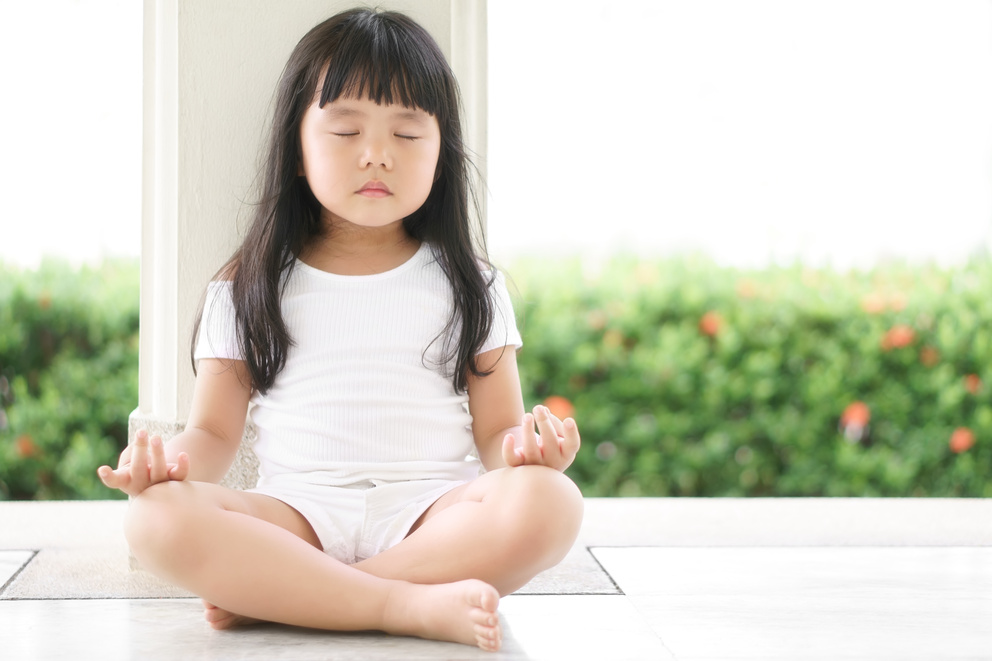
Vital Through Life
Chinese medicine invites you to view health from a broader perspective. Not only by looking at complaints but also considering the life stage you are in and how you manage your energy.
Acupuncture aligns with this vision of health. From the perspective of Chinese medicine, it focuses on supporting the balance between body and mind, paying attention to the individual as a whole and to what is happening at that moment.
Being vital through life does not mean you must always remain young, energetic, or continuously active. It means learning to listen to your body, understanding that change is a part of life, and continually discovering what you need to stay in balance. Not against the natural flow of life, but in harmony with it.
During Acupuncture Awareness Week, you will discover how acupuncture can support you in the different phases of your life. Let yourself be inspired and find out what being vital through life means for you.
