

Acupuncture in motion: WHO puts traditional medicine more firmly on the agenda (2025–2034)

Acupuncture reimbursement 2026: quickly know where you stand

The Water Element and winter: a season to reflect upon

Winner of the Acupuncture Awareness Week Audience Award 2025 announced!
Looking back on the Acupuncture Week with Caspar van der Poel
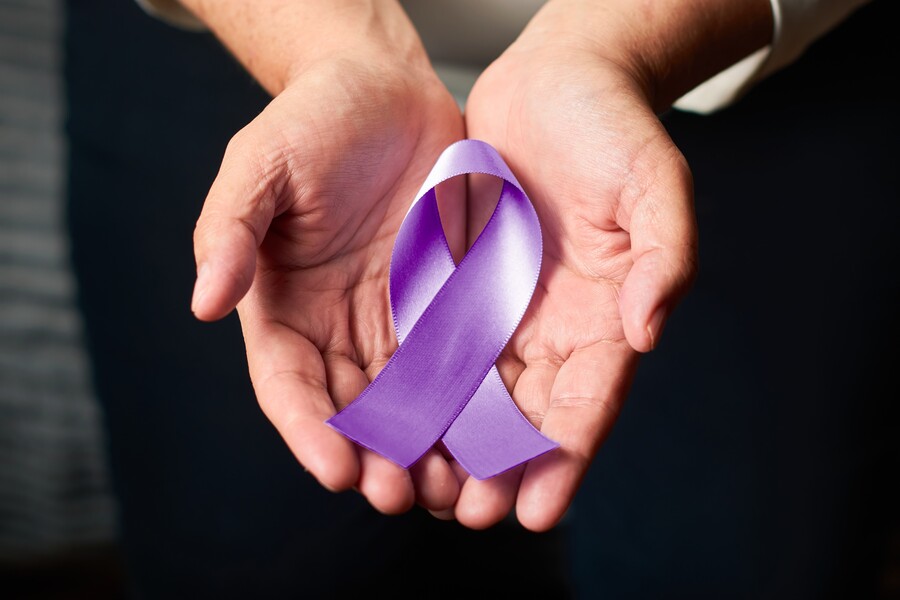
February 4 World Cancer Day and attention to 'chemo brain'
February 4 is World Cancer Day — a day observed worldwide to reflect on the impact of cancer. Not only in relation to diagnosis and treatment, but also everything that follows: recovery, processing what has happened, and finding balance again in everyday life.
For many people, cancer does not simply end when treatment is completed. Symptoms and side effects can persist for a long time, sometimes subtly, sometimes in a way that significantly affects daily life. One of these is the phenomenon commonly referred to as chemo brain.
Chemo brain: when your mind no longer seems to cooperate
Many people recognise the experience: after intensive cancer treatment, the mind can feel “foggy.” Concentration requires more effort, words come more slowly, and it becomes easier to forget what you were just about to do. These cognitive difficulties can be extremely frustrating, especially when trying to resume normal life.
Because chemo brain can affect work, family life, social relationships, and self-confidence, there is a strong need for effective support during aftercare. Unfortunately, a simple solution is often not available.
New research: can acupuncture offer support?
In December 2025, new results were presented at a major international breast cancer congress from research investigating whether acupuncture may provide support for these symptoms. This is relevant because this type of complaint is common, yet still has limited treatment options.
What exactly was studied?
The study included 260 women who had been treated for breast cancer and who reported clear cognitive difficulties themselves.
Over a period of ten weeks, researchers compared three approaches: real acupuncture, a control treatment that resembles acupuncture (sham acupuncture), usual care.
Two types of outcomes were assessed: how participants themselves experienced their cognitive functioning in daily life and performance on standardised cognitive tests.
What were the results?
The results are nuanced — and for that reason particularly interesting.
Both the acupuncture group and the control group showed a clear reduction in perceived symptoms compared with usual care. This suggests that factors such as personal attention, a calm treatment setting, and the feeling of actively working on recovery can make a meaningful difference.
However, another notable difference emerged: only participants who received real acupuncture also showed improvement on part of the cognitive tests.
This is not yet definitive proof, but it is an important signal. It suggests that there may be more at play than expectation or supportive care alone. In other words, in addition to the general effect of supportive treatment, acupuncture in this study appeared to have a potential specific effect on certain cognitive functions.
What does this mean for you?
World Cancer Day is an appropriate moment to reflect on everything cancer involves — including the period after treatment, when recovery takes time and support can be highly valuable.
This research is an important step, but not the final word. It concerns a phase 2 study presented at a congress. Further research will help clarify for whom acupuncture may be most supportive and how it can best be applied in survivorship and aftercare.
Are you considering acupuncture after cancer treatment — for example for chemo brain, fatigue, or sleep problems? Always discuss this with your medical team, especially if you are still recovering or using medication. In addition, choose a professionally trained acupuncturist who works according to clear quality standards.
More information
NVA acupuncturists who meet the specific quality requirements established by our association may be included in the IKNL (Netherlands Comprehensive Cancer Organisation) Cancer Referral Guide. You can find it here: https://www.verwijsgidskanker....
Sources
• Memorial Sloan Kettering Cancer Center – report on ENHANCE study (SABCS, 12 Dec 2025)
Acupuncture May Ease ‘Brain Fog’ in Breast Cancer Survivors, Trial Shows | Memorial Sloan Kettering Cancer Center
• AACR – press release on ENHANCE phase-2 trial (12 Dec 2025)
Acupuncture May Help Improve Perceived Breast Cancer-related Cognitive Difficulties Over Usual Care | AACR | News Releases
• The ASCO Post – conference report/summary (13 Dec 2025)
Acupuncture May Improve Perceived Cognitive Difficulties in Breast Cancer Survivors - The ASCO Post
